



Choosing the right dining room lights is one of the most impactful decisions you can make when designing or refreshing your home’s interior. The perfect fixture does more than just illuminate your table—it sets the mood, enhances your décor, and turns everyday meals into memorable experiences. Whether you are renovating a formal dining space or outfitting a cozy kitchen island nook, understanding the ins and outs of dining room lighting can save you money, prevent installation headaches, and help you create a truly stunning focal point. This comprehensive guide walks you through everything you need to know, from fixture types and sizing rules to expert installation tips and long-tail questions that most homeowners overlook.
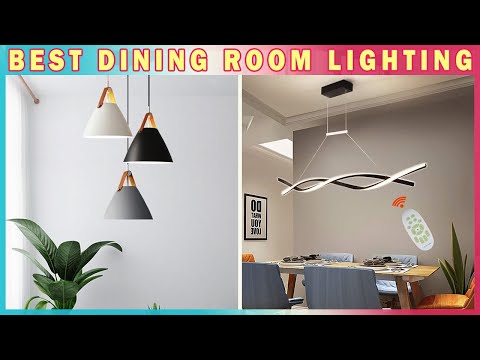
Why Dining Room Lighting Matters More Than You Think
Lighting shapes how we experience a room far more than most people realize. In a dining space, the right illumination affects everything from appetite and conversation to the perceived size of your area. Research in environmental psychology consistently shows that warm, layered lighting makes spaces feel intimate and inviting, while harsh overhead fluorescents can make even the most beautifully designed dining room feel sterile and unwelcoming.
The Psychology Behind Light and Social Spaces
When people gather around a table, they naturally look slightly downward and across at each other. This means the light source positioned above the dining table needs to cast a warm, even glow that flataces faces rather than creating shadows under eyes or chins. Dimmer switches add tremendous flexibility, allowing you to shift from bright, task-oriented meals during the day to soft, ambient evenings with friends. Dining room lights with adjustable brightness give you control over this entire spectrum.
Color temperature is another critical factor. Experts generally recommend fixtures in the 2700K to 3000K range for dining areas because this warm white spectrum promotes relaxation and enhances the colors of food and wine on the table. Cool-toned lighting above 4000K tends to suppress appetite and creates an uncomfortable, clinical atmosphere during meals.
Types of Dining Room Lights That Transform Your Space
The market for dining room light fixtures has expanded dramatically in recent years, giving homeowners far more options than the traditional single chandelier. Understanding the different categories helps you match a fixture to your room’s architecture, ceiling height, and personal style.
- Chandeliers — The classic statement piece, chandeliers bring elegance and drama to formal dining rooms. They come in crystal, wrought iron, modern glass, and minimalist designs.
- Pendant Lights — Single or multi-light pendants hang directly over the table and work beautifully in open-concept kitchens and smaller dining areas.
- Flush Mount and Semi-Flush Lights — Ideal for rooms with low ceilings, these fixtures sit close to the ceiling and provide broad, diffused illumination.
- Sconces — Wall-mounted sconces add secondary ambient light and are perfect for illuminating dark corners or accent walls beside your dining area.
- Track and Recessed Lighting — These modern options allow directed lighting and work well in contemporary or industrial-style dining spaces.
- Candle-Style and Vintage Fixtures — For rustic, farmhouse, or traditional interiors, fixtures that mimic candle flames create an unmistakable warm ambiance.
How to Choose the Perfect Size and Style
Sizing your dining room lights correctly is arguably the most important technical detail. An oversized fixture overwhelms a small room, while a tiny pendant gets lost in a large dining hall. Here are the golden rules most interior designers follow:
- Width Rule: Add the room’s length and width in feet, then convert that number to inches. For example, a 12-foot by 14-foot dining room should have a fixture roughly 26 inches wide.
- Height Rule: Hang a chandelier or pendant so the bottom of the fixture sits approximately 30 to 36 inches above the tabletop. This provides clear sightlines across the table while directing enough light downward.
- Ceiling Height Adjustment: For ceilings taller than 9 feet, add 3 inches of hanging height for every additional foot of ceiling height.
- Table Proportion: The fixture should be roughly one-half to two-thirds the width of your dining table. Rectangular tables pair best with linear multi-light pendants or elongated chandeliers.
Style-wise, your dining room lights should complement your existing interior palette. A modern glass chandelier fits seamlessly into contemporary spaces, while a brass and frosted glass fixture bridges traditional and transitional aesthetics. Matching the finish of your light to other metal elements in the room—such as cabinet handles, faucet fixtures, or furniture legs—creates visual cohesion.
Material and Finish Considerations
The finish of your fixture matters more than many homeowners realize. Brushed brass and warm bronze pair beautifully with wood tones and earth palettes. Chrome and polished nickel suit cool, minimalist interiors. Matte black fixtures have surged in popularity for their versatility—they work with nearly any color scheme and add a sophisticated edge. Do not overlook the importance of the shade or globe material; frosted glass diffuses light softly, while clear glass adds sparkle and visual interest.
Dining Room Light Installation Tips
Installing a new dining room light fixture requires more than just mounting a bracket. Safety and functionality depend on proper wiring, structural support, and thoughtful placement.
- Turn off the circuit breaker before beginning any electrical work and use a voltage tester to confirm the power is off.
- Check the junction box weight rating. Chandeliers and large pendants are heavy; standard boxes may not support the load. You may need to install a fan-rated brace box.
- Use a ladder with a spotter whenever possible, especially when working on vaulted or angled ceilings.
- Consider hiring a licensed electrician if your home has older wiring, aluminum wiring, or if you need to add a new circuit for multiple fixtures.
- Install a dimmer switch during the wiring phase if your fixture will use bulbs that are dimmable. This single upgrade transforms the versatility of your dining room lights.
Popular Dining Room Light Types Compared
With so many options available, comparing the most popular fixture types side by side helps you make a confident decision.
| Fixture Type | Best For | Ceiling Height | Cost Range |
| Crystal Chandelier | Formal dining rooms | 9+ feet | $150 – $800+ |
| Linear Pendant | Long tables, open kitchens | 8+ feet | $80 – $400 |
| Semi-Flush Mount | Low ceilings, small rooms | 7-9 feet | $40 – $250 |
| Track Lighting | Contemporary, minimalist | 8+ feet | $50 – $300 |
| Sconces (Wall) | Accent and ambient layering | Any | $30 – $200 each |
| Multi-Light Pendant | Medium to large tables | 9+ feet | $100 – $500 |

Expert Tips for Layered Lighting Design

Professional designers rarely rely on a single light source in a dining room. Layering creates depth, flexibility, and visual richness. The three layers you should consider are ambient, task, and accent lighting.
- Ambient Layer: Your primary fixture—whether a chandelier, pendant, or flush mount—provides the general illumination for the room.
- Task Layer: Supplemental lights such as wall sconces or cabinet-mounted LED strips help with reading menus, serving dishes, or navigating the space safely at night.
- Accent Layer: Recessed spotlights or directional track heads highlight architectural details, artwork, or a buffet sideboard, adding dimension and visual interest.
Pro tip: Smart LED bulbs with tunable white temperature let you shift from bright daylight mode for daytime gatherings to warm evening ambiance for intimate dinners—all from a phone app or voice command. This technology has made choosing lights for dining room more versatile than ever before.
Frequently Asked Questions
What is the best dining room light for a small space?
For smaller dining areas, a single pendant light or a semi-flush mount fixture works best. These options take up minimal visual space while still providing focused illumination over the table. Choose a fixture with a light-colored shade or frosted globe to maximize the sense of openness.
How many lights should be in a dining room chandelier?
There is no fixed number, but a good rule of thumb is one light source for every two feet of table width. A 6-foot table pairs well with a chandelier featuring three to five bulbs or candle-style arms. Adjust based on the bulb brightness and whether you use dimmers.
Can I use LED bulbs in my dining room light fixture?
Absolutely. LED bulbs are now available in warm color temperatures that replicate the cozy glow of traditional incandescent bulbs. They use significantly less energy, last far longer, and produce less heat—making them ideal for fixtures hung close to the table surface.
What height should a dining room light hang above the table?
The bottom of the fixture should hang approximately 30 to 36 inches above the tabletop. This height provides ample task lighting for eating and conversation while keeping the light source at a comfortable eye level when seated.
Do I need an electrician to install dining room lights?
While experienced DIYers can handle straightforward fixture swaps, any installation that involves upgrading wiring, adding a new circuit, or mounting heavy fixtures on vaulted ceilings is best left to a licensed electrician. Safety always comes first.
Conclusion
Investing in quality dining room lights is an investment in how your home feels and functions every single day. From the initial decision about fixture type and size to the final details of dimmer selection and layered design, each choice compounds to create a space that is both beautiful and deeply livable. Take your time browsing options, measure your space carefully, and do not be afraid to mix fixture styles for a personalized look that truly reflects your taste. The right light over your dining table turns every meal into something worth savoring.